Sponsored
Sponsored
Free Edition
Verified Content
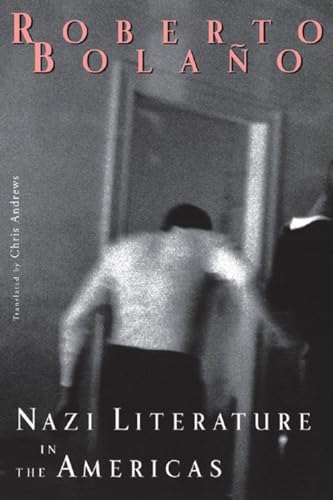
Nazi Literature in the Americas
Overview
A tour de force of black humor, Roberto Bolaño’s Nazi Literature in the Americaspresents itself as an encyclopedia of extremely right-wing writers.
Composed of short biographies of imaginary pan-American authors (the nations with the most representatives are Argentina, with eight, and the USA, with seven), Nazi Literature describes, in fourteen thematic sections, the writers’ lives, politics, and literary works. It includes bibliographies, cross-references, and an epilogue (“For Monsters”). Although the writers are invented, they are all carefully and credibly situated in real literary worlds: his characters rebuff Ginsberg’s advances in Greenwich Village, encounter Paz in Mexico City, and quarrel with Lezama Lima in Cuba. The tone of the entries is brisk and pseudo-academic, but with delicately balanced irony and pathos. Bolaño does not simply use his fascist writers for target practice: he manages to sketch character portraits that are often pathetically funny, sometimes surprisingly moving, and, on occasion, authentically chilling.
Remarkably inventive and humorous, and offering keen insights into the workings of an extraordinarily fecund literary imagination, Nazi Literature in the Americas is the book that made Bolaño famous in the Spanish-speaking world.
Composed of short biographies of imaginary pan-American authors (the nations with the most representatives are Argentina, with eight, and the USA, with seven), Nazi Literature describes, in fourteen thematic sections, the writers’ lives, politics, and literary works. It includes bibliographies, cross-references, and an epilogue (“For Monsters”). Although the writers are invented, they are all carefully and credibly situated in real literary worlds: his characters rebuff Ginsberg’s advances in Greenwich Village, encounter Paz in Mexico City, and quarrel with Lezama Lima in Cuba. The tone of the entries is brisk and pseudo-academic, but with delicately balanced irony and pathos. Bolaño does not simply use his fascist writers for target practice: he manages to sketch character portraits that are often pathetically funny, sometimes surprisingly moving, and, on occasion, authentically chilling.
Remarkably inventive and humorous, and offering keen insights into the workings of an extraordinarily fecund literary imagination, Nazi Literature in the Americas is the book that made Bolaño famous in the Spanish-speaking world.


36,114 currently reading


152,889 want to read
Sponsored
Sponsored
Book details & editions
| ISBN | 0811217051 |
| Publisher | |
| Publication date | February 1996 |
| Language | English |
| Pages | 227 pages |
Sponsored
Sponsored


Ratings & Reviews
5 ★
42%
4 ★
34%
3 ★
16%
2 ★
5%
1 ★
3%
3.91
BlueReads Choice
Sponsored
Write a Review
Community Reviews
Sort by: